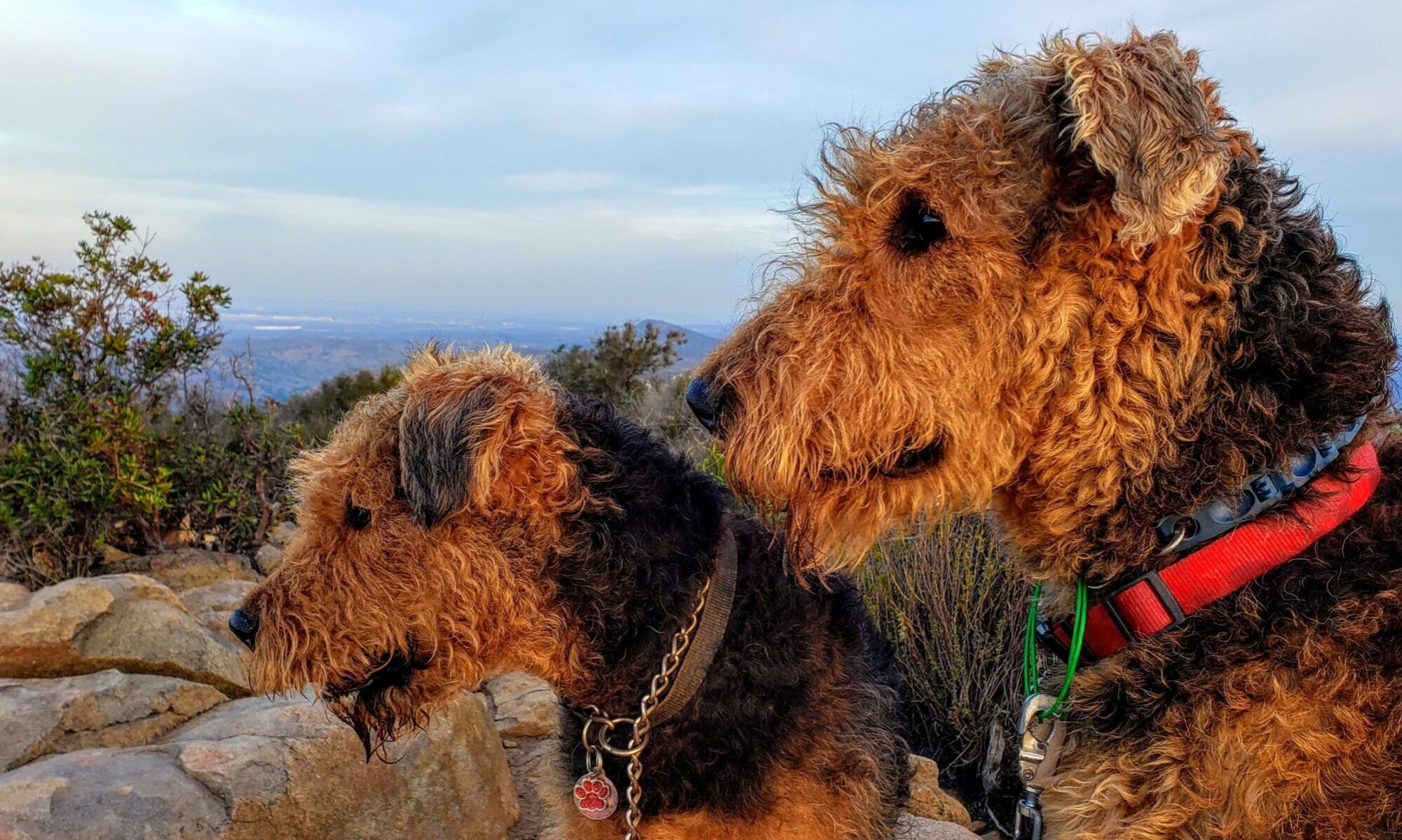
Airedales in the Arizona Desert: The “Rude Awakening” About Arizona Ticks

If you’re lucky enough to share your home with an Airedale Terrier here in Peoria, you know they aren’t just “dogs”—they are high-energy explorers. Whether we’re walking the neighborhood trails near Vistancia or taking a weekend trip up to the cooler pines of Prescott, our “Kings of Terriers” are prime targets for hitchhikers.
Airedales in the Arizona Desert
Recently, there’s been a lot of talk about a “Lyme Disease explosion,” with headlines claiming 50% of ticks are infected. But for those of us in the Arizona desert, the real story is different—and in some ways, more urgent.
1. The Lyme Myth s. The Arizona Reality
First, let’s lower the blood pressure: Lyme disease is extremely rare in Arizona.
The 50% infection rates you see on the news are happening in the Northeast and Midwest. In Peoria and the surrounding desert, our local ticks (like the Brown Dog Tick) simply don’t carry the Lyme bacteria. While you should still be cautious if you travel back East with your Airedale, the “Big Bad” here in Arizona is actually Rocky Mountain Spotted Fever (RMSF).
2. RMSF: The Real “Boss” of the Desert
Rocky Mountain Spotted Fever is the primary tick-borne threat for Arizona dogs. It is carried by the Brown Dog Tick, which—unlike other ticks—thrives in our dry heat and can even live entirely indoors.
What to look for in your Airedale:
Because Airedales are famously “stoic” and won’t always tell you they feel sick, you have to watch for these subtle signs:
The Sudden Slump: A sudden loss of that typical Airedale “zoomie” energy or a high fever.
Joint Stiffness: If they are hesitant to jump into the truck or climb the stairs.
The “Spotted” Warning: Look at their belly, ears, or inside their mouth for small purple or red spots (damaged blood vessels).
Note: If you suspect RMSF, don’t wait. It moves fast. Mention Doxycycline to your vet immediately; it is the gold standard treatment and needs to be started early.
3. The “Airedale Armor” Problem
Our breed’s greatest feature—that dense, wiry coat—is also our greatest challenge. A tick can hide in an Airedale’s furnishings for days without being seen.
Your Peoria Prevention Protocol:
The “Deep Tissue” Check: Don’t just pet them; you have to get your fingers down to the skin. Pay special attention to the “beard,” the “armpits,” and between those big Terrier toes.
The Dryer Trick: If you’ve been out in the brush, throw your own clothes in the dryer on HIGH HEAT for 10 minutes. It kills ticks instantly.
Year-Round Defense: Because the Brown Dog Tick loves our Peoria winters, tick prevention isn’t a “summer only” thing here.
4. Is Peoria a “Hot Zone”?
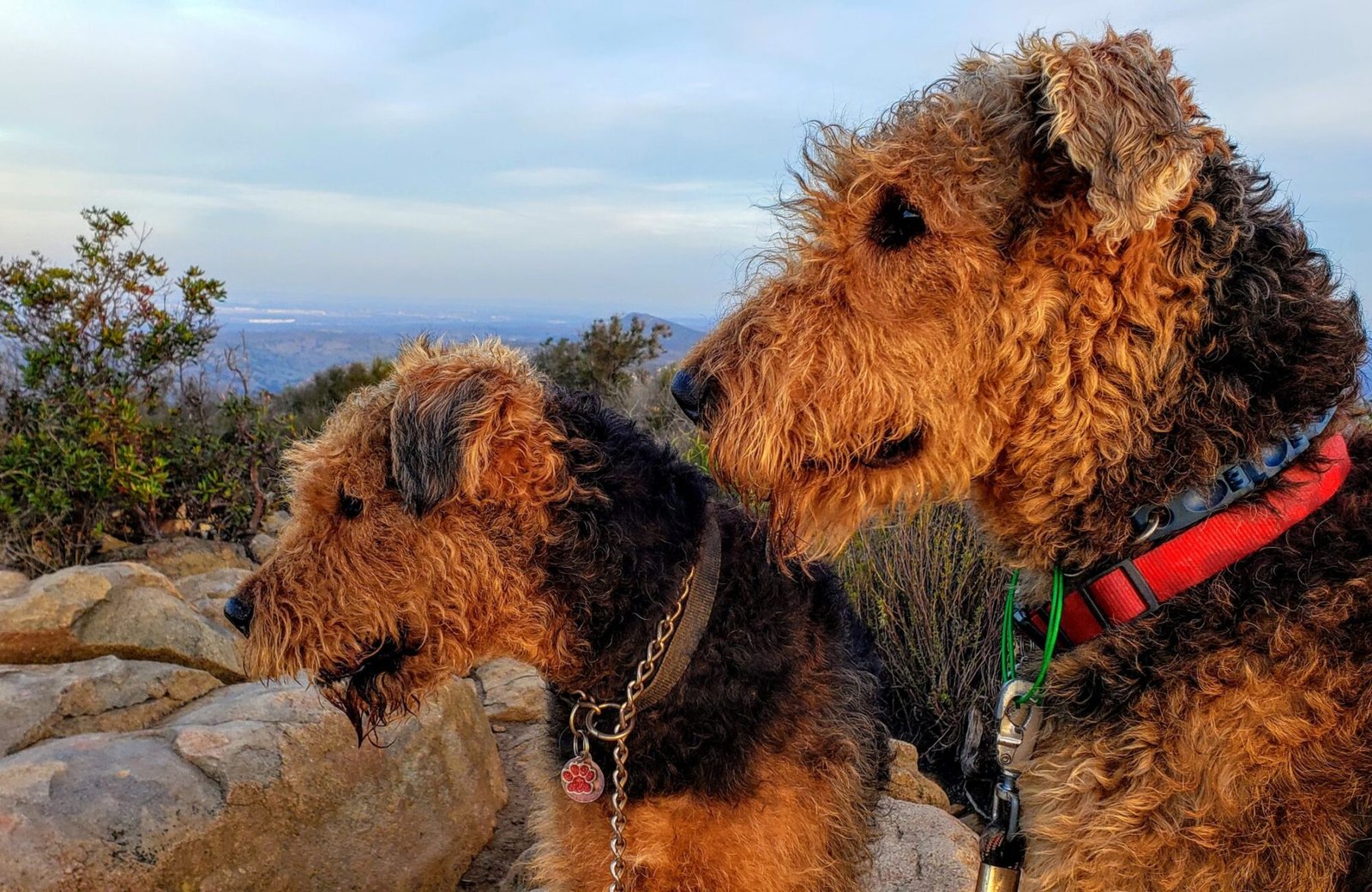
While we aren’t in the deep forest, the Brown Dog Tick is very common in Maricopa County. They love residential yards, dog parks, and even the cracks in block walls. If you have “pack members” like my Teddy and Tova, remember that a tick on one usually means you should check the other (and the bedding!) immediately.
The Bottom Line
Don’t let the “Lyme” headlines distract you from the local reality. In Arizona, we stay vigilant for RMSF, we use our dryers to kill hitchhikers, and we never trust an Airedale’s coat to be “empty” without a thorough hand-check.
Keep those tails up and those beards clean!
Airedales in the Arizona Desert
As an Amazon Associate, I earn from qualifying purchases
View Recommended Dog Product on Amazon


The Airedale Terrier – – – He is swift, formidable, graceful, big of brain, an ideal chum and guard. ….To his master he is an adoring pal. To marauders he is a destructive lightning bolt.”
+++++++++++++++++++++++
Our Airedale Terrier Youtube channel.
****
Disclaimer for all related content: *Please note, this channel is not intended for children under the age of 18. I am not a professional dog trainer or veterinarian. Any tips, product ideas, food, treats, suggestions or advice are simply my opinion only and what works for me. My content is not intended to replace your vet/trainer recommendations. Please always seek professional guidance before taking any action. Please foster, feed and train dogs at your own risk. FTC: My content may include affiliate and/or sponsored links which means your support helps move our mission forward.
